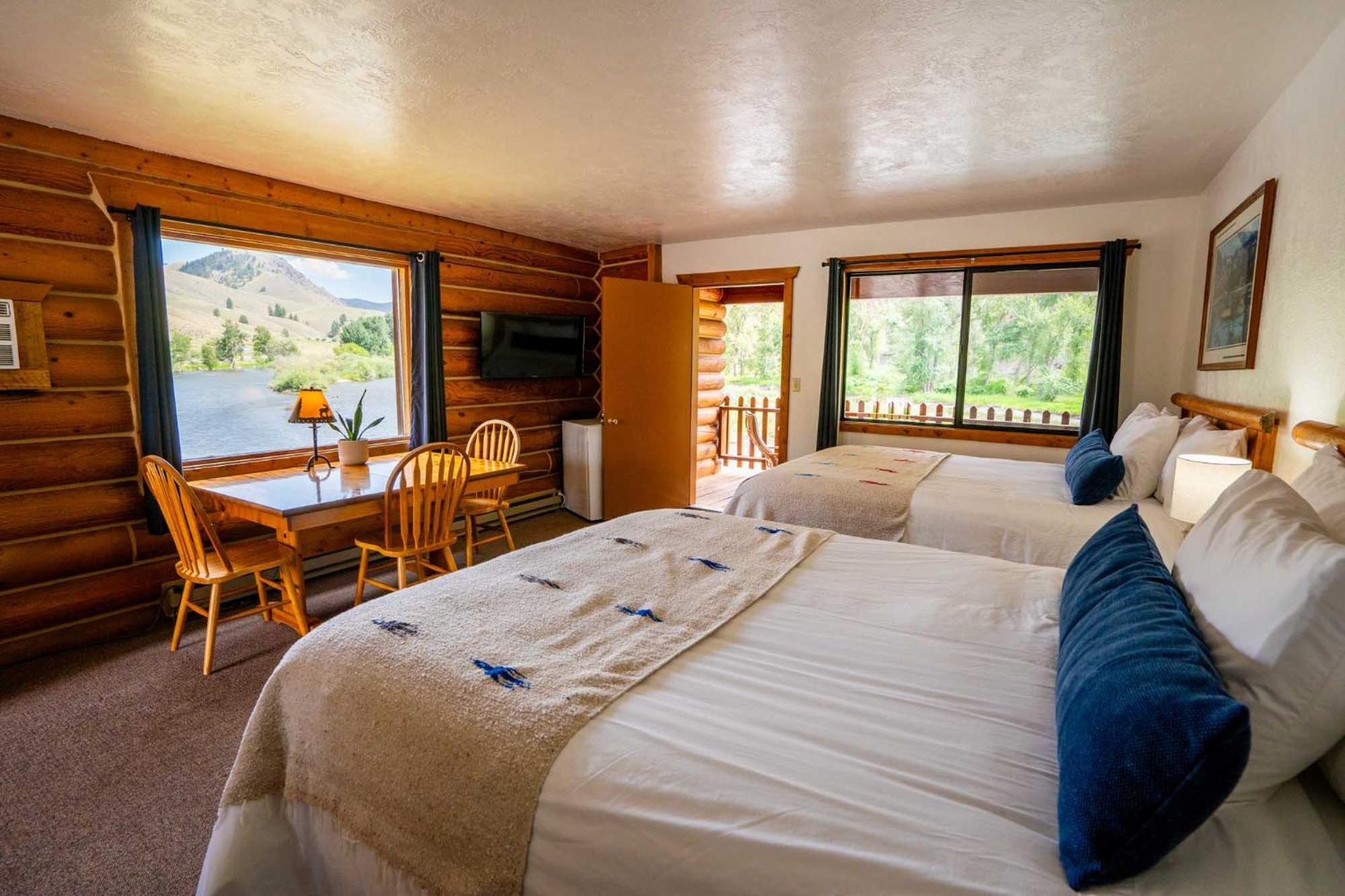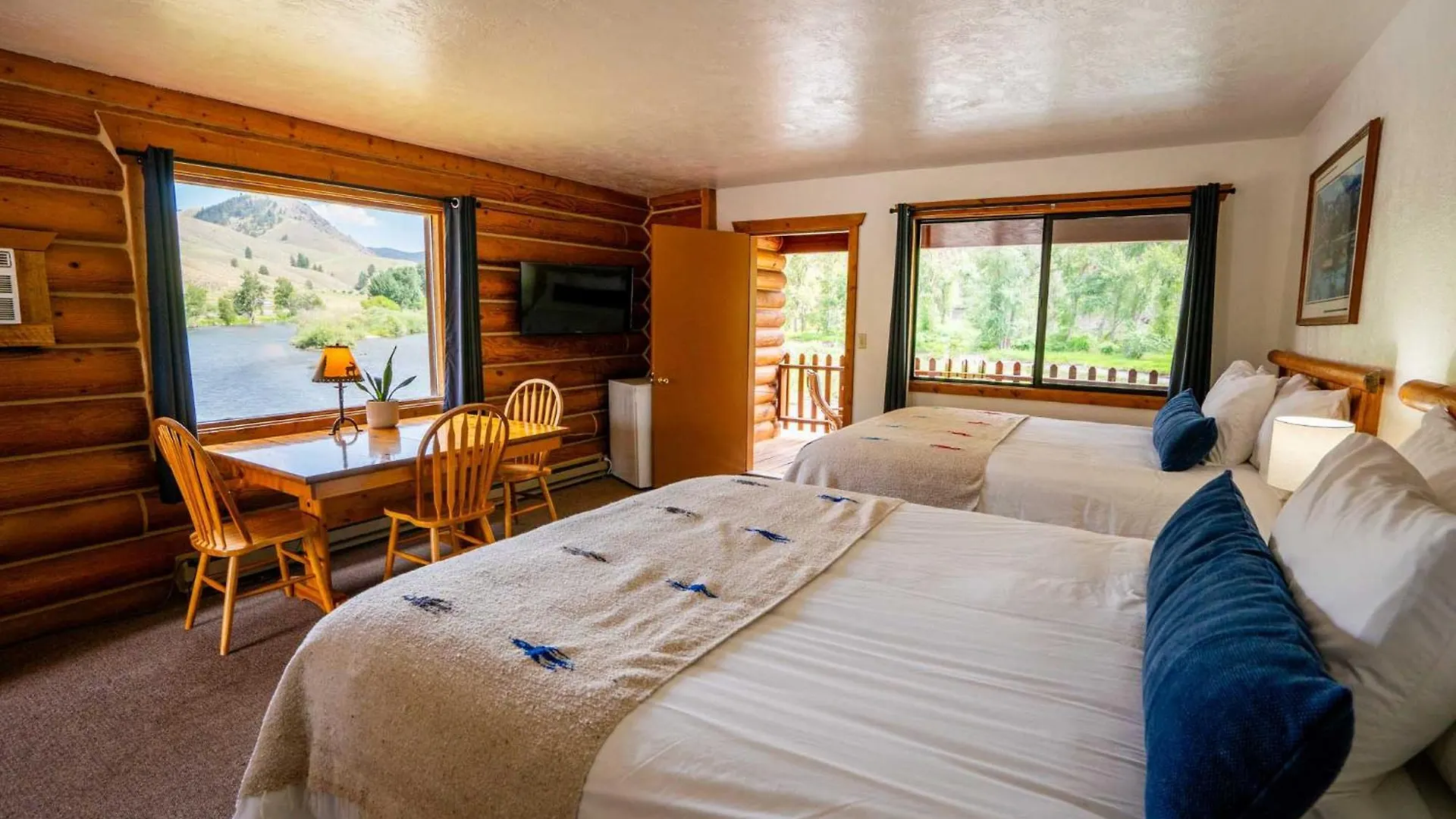
The Pacific Northwest spans an extraordinary stretch of wilderness, river valleys, and mountain terrain - from the rainforests of Washington's Olympic Peninsula to the cattle ranches of Montana and the volcanic corridors of the Columbia River Gorge. Lodge hotels in this region are not just accommodation; they are access points to landscapes most travelers only see in photographs. This guide covers 11 lodge properties across the Pacific Northwest, helping you decide where to stay based on location, amenities, and what you actually want to do during your visit.
What It's Like Staying in the Pacific Northwest
The Pacific Northwest is defined by its geographical diversity - volcanic peaks, old-growth rainforests, high desert plateaus, and glacier-fed rivers all exist within a few hours of each other. Transportation between destinations is almost entirely car-dependent, with most lodge properties sitting well outside any urban transit network. Travelers who prefer walkable cities or public transit access will find this region logistically demanding, but those who want to self-drive through national parks, ski resorts, and scenic byways will find it exceptional.
Crowd patterns vary significantly by season. Summer brings the highest visitor volume to areas like Mount Rainier, Olympic National Park, and Yellowstone's western corridors, with parking lots filling by 8am at peak trailheads. The shoulder seasons - late September through October and March through April - offer dramatically reduced crowds and, in many areas, lower lodge rates. Staying in a Pacific Northwest lodge means trading urban convenience for direct, unmediated access to some of the most ecologically rich terrain in North America.
Pros:
Immediate access to national parks and wilderness areas - many lodges sit within minutes of trailheads, rivers, and wildlife corridors
Self-drive freedom is high, with scenic byways like the Columbia River Gorge and Going-to-the-Sun Road accessible by rental car
Outdoor activity density is exceptional - skiing, fly-fishing, hiking, and whitewater rafting are often available from the same base
Cons:
Car rental is non-negotiable for most lodge stays - no lodge in this guide is walkable to airports or rail stations
Weather unpredictability in Washington's rainforest zones and Montana's high country can disrupt outdoor plans
Dining and grocery options near remote lodges are often limited, requiring advance planning or reliance on on-site restaurants
Why Choose a Lodge Hotel in the Pacific Northwest
Lodge hotels in the Pacific Northwest are structurally different from standard hotels - they are built around outdoor experience, often incorporating local timber, stone, and design vernacular that reflects the surrounding landscape. Room sizes at Pacific Northwest lodges tend to run larger than comparable urban hotels, frequently including kitchenettes, private decks, fireplaces, or hot tubs that make extended stays practical without feeling confined. Prices range from budget-adjacent properties near highway corridors to full-service wilderness resorts with spas, restaurants, and guided activity programs.
The practical trade-off is noise profile and infrastructure: rather than street noise, guests contend with generator hours at remote properties, limited cell signal in valley locations, and the occasional wildlife encounter outside the cabin door. For families, couples on nature-focused trips, or fly-fishing and skiing enthusiasts, lodge stays deliver a value-to-experience ratio that urban hotels in this region simply cannot match. A lodge with a river view and complimentary breakfast in rural Montana costs significantly less than a mid-range Seattle city hotel - often around 40% less per night for a larger room.
Pros:
Larger rooms and private outdoor spaces - decks, patios, and balconies are standard, not upgrades
Direct proximity to fishing, hiking, and skiing without driving 45 minutes from a city hotel
Complimentary breakfast is common across this category, reducing daily food costs
Cons:
Limited or no walkable dining beyond the lodge itself - most properties are 10 to 25 minutes from the nearest town
Seasonal closures affect some properties, particularly in Montana's high-altitude zones during winter
Cell signal and high-speed internet reliability drops sharply at remote lodge locations
Practical Booking & Area Strategy for the Pacific Northwest
The Pacific Northwest lodge market splits into three distinct geographic clusters, each with its own booking logic. Washington State lodges near Winthrop, the Columbia River Gorge (Stevenson), and the Olympic Peninsula (Forks) book out fastest during July and August - reserve at least 8 weeks in advance for summer weekends. Montana properties in Bozeman, Darby, and Miles City follow a dual peak: summer fly-fishing season (June through August) and ski season (December through February) near Bozeman's Bridger Bowl. Idaho lodges near Sandpoint and Island Park adjacent to Yellowstone's western entrance see the most pressure in late July and early August, when Yellowstone visitation peaks nationally.
For positioning strategy, Bozeman is the strongest transport hub in the interior Pacific Northwest - Bozeman Yellowstone International Airport connects to major US cities, and lodges like Gallatin River Lodge sit roughly 9 km from the terminal while still delivering full mountain immersion. On the Washington coast, staying near Forks puts guests within 10 km of Olympic National Park's Hoh Rain Forest, one of the most visited ecosystems in the state. The Columbia River Gorge corridor - anchored by Stevenson, WA - provides access to over 70 waterfalls, whitewater rafting, and the Historic Columbia River Highway, all without requiring a multi-hour drive from Portland or Seattle.
Micro-location tip: For first-time Pacific Northwest visitors, the Winthrop-Methow Valley zone in north-central Washington offers a compact outdoor experience - skiing at Mission Ridge, cycling on the Methow Valley trail system, and genuine Old West town architecture - without the crowd density of more famous national park gateways.
Price-distance strategy: Properties in Miles City, MT and Darby, MT offer the lowest nightly rates in this guide and suit travelers using them as journey waypoints along I-94 or as base camps for Bitterroot Valley hiking and fishing.
Transport insight: Missoula International Airport is the closest commercial airport to the Darby and Bitterroot Valley lodges, though it sits around 117 km away - factor in a two-hour drive when planning arrival logistics.
Best Value Lodge Stays
These properties deliver strong outdoor access and practical amenities at the most accessible price points in the Pacific Northwest lodge category - suited to road-trippers, anglers, and families prioritizing location over resort-level amenities.
-
1. River'S Fork Lodge
Show on map


Best price guarantee
fromUS$ 152
-
2. Econo Lodge Buckley Bonney Lake
Show on map


Best price guarantee
fromUS$ 82
-
3. Econo Lodge Miles City I-94
Show on map


Hurry – almost gone at this price!
fromUS$ 79
-
4. Rye Creek Lodge
Show on map


Just a few rooms left at the best rate!
fromUS$ 469
-
5. Hoh Valley Cabins
Show on map


Rooms filling fast – secure the best rate!
fromUS$ 120
Best Premium Lodge Stays
These properties offer elevated amenities, resort-level services, or exceptional setting differentiation - suited to travelers willing to pay more for guided activities, on-site dining, spa access, or a destination-defining lodge experience in the Pacific Northwest.
-
6. Gallatin River Lodge
Show on map


Best price guarantee
fromUS$ 296
-
7. Chewuch Inn & Cabins
Show on map


Best price guarantee
fromUS$ 119
-
8. Skamania Lodge
Show on map


Hurry – almost gone at this price!
fromUS$ 179
-
9. Eagle Ridge Ranch
Show on map


Just a few rooms left at the best rate!
fromUS$ 243
-
10. Willows Lodge
Show on map


Rooms filling fast – secure the best rate!
fromUS$ 269
-
11. Lodge At Sandpoint
Show on map


Just a few rooms left at the best rate!
fromUS$ 229
Smart Travel & Timing Advice for Pacific Northwest Lodges
Peak pricing in Pacific Northwest lodges hits hardest between late June and mid-August, when national park visitor counts surge across Olympic, Mount Rainier, and the Yellowstone gateway zones. Properties within 30 km of national park entrances - including Hoh Valley Cabins near Olympic and Eagle Ridge Ranch near Yellowstone's west entrance - book out entirely on weekends during this window, often 10 or more weeks in advance. For those targeting Mount Rainier or Crystal Mountain via Econo Lodge Buckley, July Fourth weekend and Labor Day weekend are the two highest-demand dates of the year.
The best value window for Pacific Northwest lodge travel is mid-September through mid-October: wildfire smoke season has typically cleared, temperatures remain pleasant for hiking, fall foliage is active in the Methow Valley and Bitterroot Valley, and rates at most properties drop by around 25% compared to August peaks. Montana lodge properties in Bozeman and Darby offer a secondary winter value window in January and February, when ski season is active but holiday premiums have passed. For Willows Lodge in Woodinville and Skamania Lodge in Stevenson, the Pacific Northwest's mild winters mean year-round viability - these two properties have no meaningful off-season and rarely discount below summer rates. Booking 6 weeks in advance is the practical minimum for premium lodge stays at any time of year; budget properties along I-94 in Montana and the Buckley, WA corridor remain more flexible for last-minute bookings outside of event weekends.