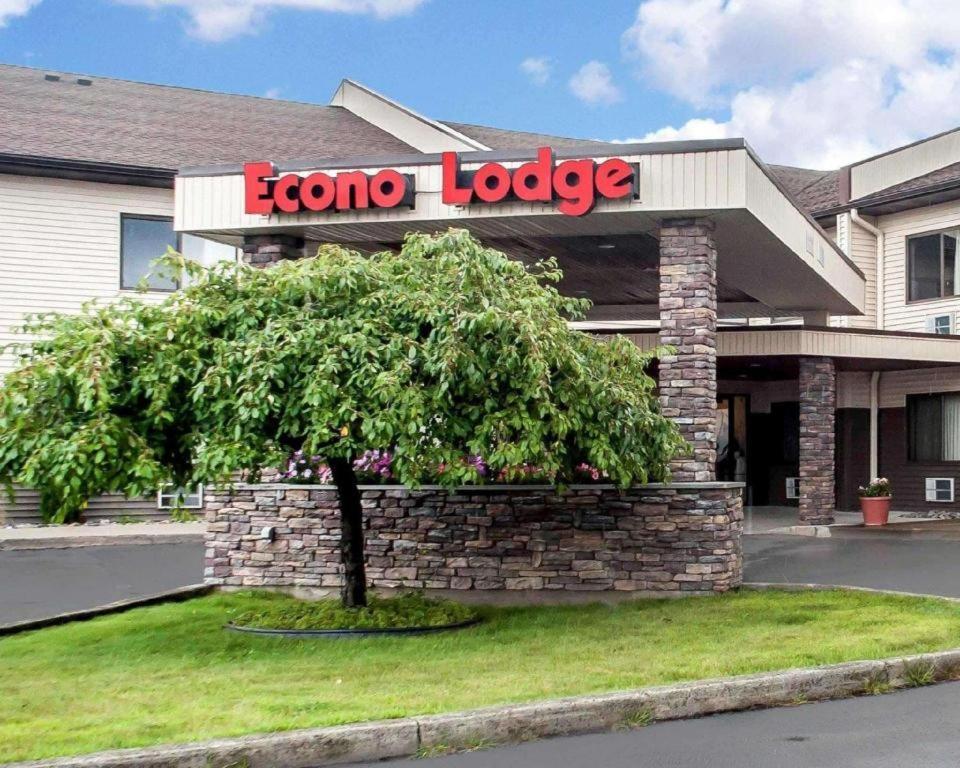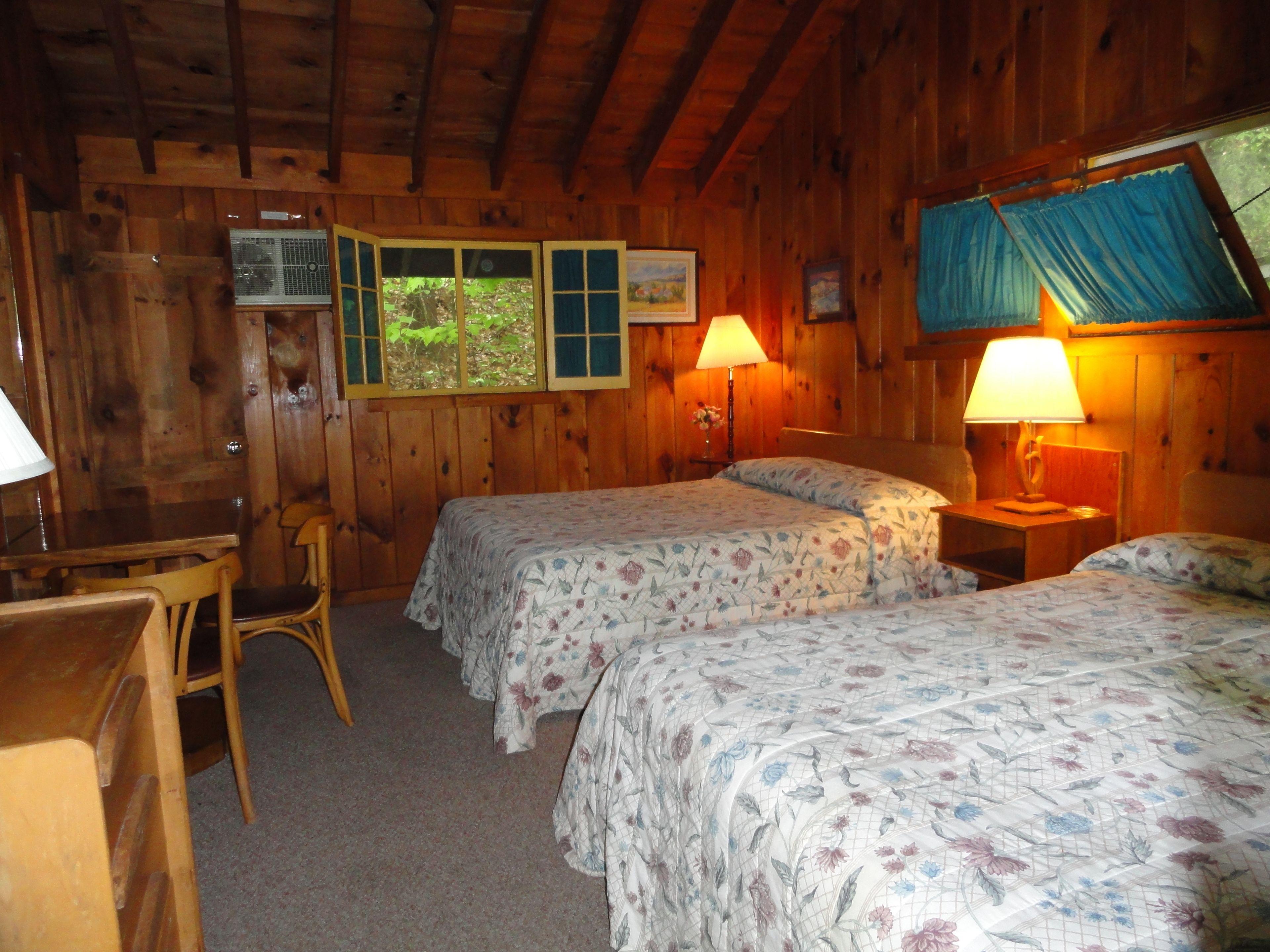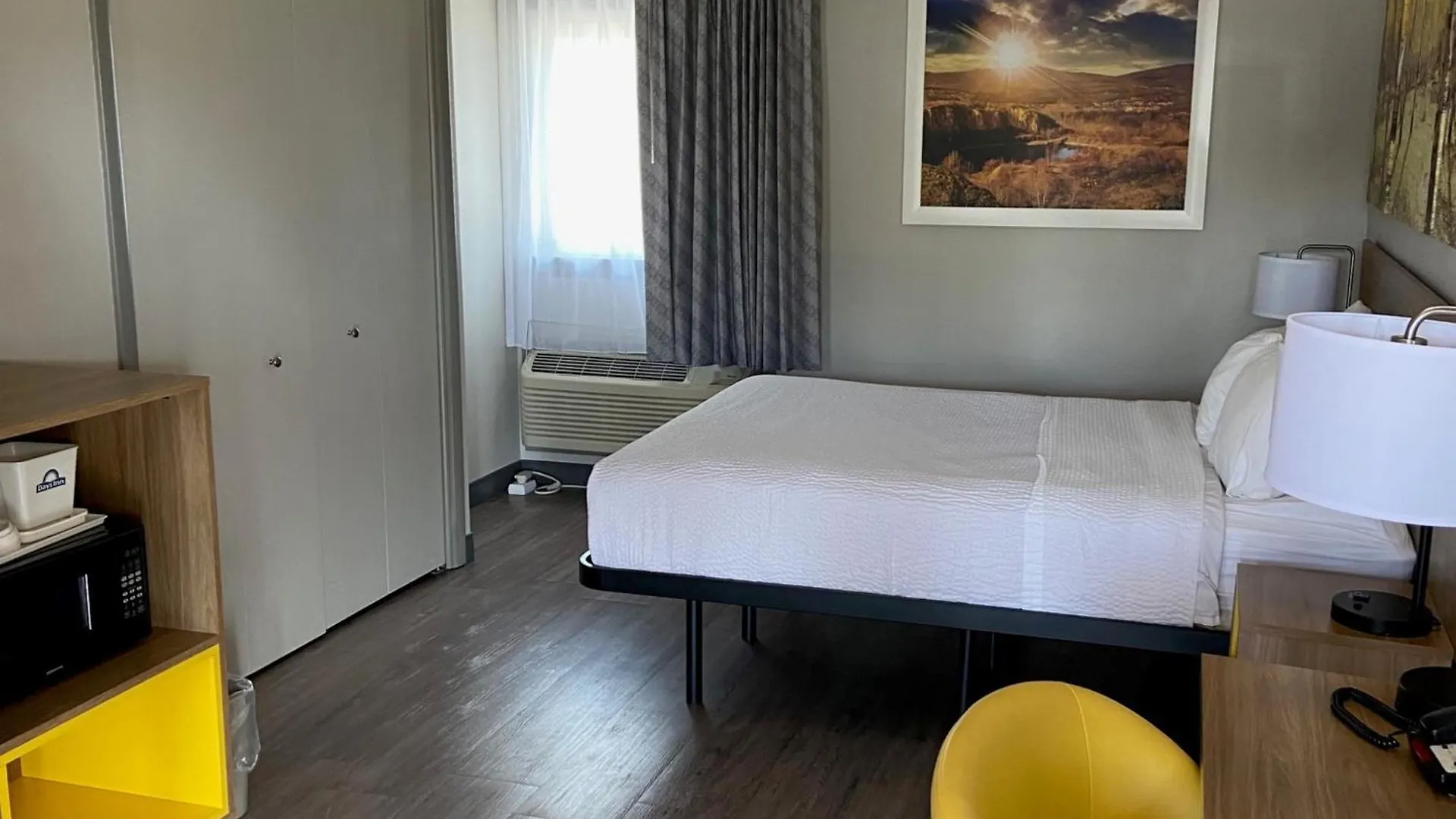
Bighorn National Forest spans over one million acres of Wyoming wilderness, covering the Bighorn Mountains with alpine meadows, canyon trails, and the iconic Medicine Wheel National Historic Landmark. Travelers staying near the forest typically base themselves in gateway towns like Buffalo, Worland, or Sheridan, each offering quick road access into the forest via US-16 or US-14. This guide focuses on 2-star hotels near Bighorn National Forest - the practical, no-frills options that keep costs down while putting you within range of the forest's main entry points.
What It's Like Staying Near Bighorn National Forest
Bighorn National Forest is not a densely serviced tourist corridor - accommodation is spread across small gateway towns rather than concentrated at a single hub, which means your choice of base town directly shapes your daily driving rhythm. Buffalo sits on the eastern side, Worland on the western slope, and Sheridan to the north; each gives different access to the forest's interior trails, with US-16 being the primary cross-forest highway. Crowds are most intense from late June through August, when campgrounds fill and trailhead parking lots along Cloud Peak Wilderness routes reach capacity by mid-morning. Budget travelers benefit significantly here - 2-star hotels in these gateway towns cost around 40% less than comparable lodging near Yellowstone, making Bighorn an underrated value destination for outdoor-focused visitors.
Pros:
Gateway towns like Buffalo and Worland offer direct highway access into the forest, cutting morning drive times to trailheads significantly
2-star hotel rates in this corridor stay competitive even during peak summer season compared to other Wyoming national forest gateways
The area attracts wildlife enthusiasts, hikers, and history travelers, meaning crowds are activity-specific and manageable outside peak weekends
Cons:
No walkable urban core near the forest itself - a rental car is non-negotiable for reaching trailheads or attractions
Dining options in gateway towns are limited after 9pm, which can be inconvenient for late arrivals following long drives
Cell service inside the forest is unreliable, requiring offline maps and pre-downloaded navigation before departure
Why Choose 2-Star Hotels Near Bighorn National Forest
2-star hotels in the Bighorn gateway towns are built for functional travelers - hikers, road-trippers, and heritage trail visitors who need a clean base with parking, Wi-Fi, and breakfast more than they need a spa or rooftop bar. Unlike mid-range chains closer to Cody or Jackson, these properties sit within minutes of US-16 and US-14 access roads, meaning less time commuting and more time on trail. Room rates at 2-star properties in this corridor typically run under $120 per night in shoulder season, with most including free parking - a genuine practical advantage when arriving with loaded vehicles or towing recreational equipment. Trade-offs are real: room sizes are modest, sound insulation is variable, and amenities like fitness centers or pools appear only selectively across this tier.
Pros:
Free parking is standard across nearly all 2-star properties in Buffalo and Worland, critical for travelers with trucks, trailers, or gear-heavy vehicles
Several properties include continental or hot breakfast, removing the need to find early-morning dining in towns with limited options
Proximity to US-16 means forest access without backtracking through congested areas
Cons:
Room soundproofing is inconsistent - highway-adjacent properties can experience road noise, particularly in rooms facing US-16 or US-25
Pool and fitness amenities are not guaranteed at this price tier and vary property to property
Limited on-site dining means most evenings require driving into town, which adds up quickly across a multi-night stay
Practical Booking & Area Strategy Near Bighorn National Forest
Buffalo is the sharpest strategic base for travelers prioritizing eastern forest access - it sits at the junction of I-25 and US-16, placing the Cloud Peak Wilderness trailheads within around 30 miles. Worland, on the western slope, is the better choice for visitors targeting the Bighorn Basin, Hot Springs State Park, and the Medicine Wheel National Historic Landmark via US-14 Alt. Book at least 6 weeks in advance for July and August stays, when Wyoming's limited accommodation inventory tightens fast across all price tiers. Sheridan, to the north, offers slightly more dining and retail infrastructure than Buffalo, though it sits farther from the main forest entry corridors. For Medicine Wheel visits specifically, note the site requires a dirt road approach and is best accessed from the Lovell/Greybull side, making Worland-based hotels the more logical overnight choice. Shoulder season - May and September - offers the best price-to-experience ratio, with wildflowers or fall foliage depending on timing, and significantly thinner crowds on the main hiking routes.
Best Value Stays
These properties offer the strongest combination of location, included amenities, and nightly rate for travelers using Bighorn National Forest as their primary destination.
-
1. Z Bar Motel
Show on map


 Check-infrom 15:00 until 21:00Check-outuntil 11:00
Just a few rooms left at the best rate!
fromUS$ 75
-
2. Days Inn By Wyndham Worland
Show on map


 Check-infrom 15:00 until 23:59Check-outuntil 11:00
Just a few rooms left at the best rate!
fromUS$ 122
-
3. Holiday Lodge
Show on map


 Check-infrom 15:00 until 23:30Check-outuntil 11:00
Hurry – almost gone at this price!
fromUS$ 71
Best Mid-Range Pick
For travelers wanting included amenities beyond the basics - particularly a hot breakfast and an indoor pool - this Worland property stands above the standard 2-star offering in the Bighorn gateway corridor.
-
4. Comfort Inn Worland Hwy 16 To Yellowstone
Show on map


 Check-infrom 15:00 until 23:59Check-outuntil 11:00
Rooms filling fast – secure the best rate!
fromUS$ 145
Smart Travel & Timing Advice for Bighorn National Forest
The clearest window for visiting Bighorn National Forest runs from mid-June through mid-September, when US-16 over the Bighorn Mountains is fully open and Cloud Peak Wilderness trails are snow-free. July and August bring the heaviest visitor volume - popular trailheads like Tensleep Canyon and Hunter Corrals fill by 8am on weekends, and gateway town hotels frequently sell out on Friday and Saturday nights without advance booking. September is the strongest shoulder month: crowds thin noticeably, temperatures remain manageable for hiking, and elk rut activity adds a wildlife dimension that summer visitors miss entirely. Spring access before late May is limited by snow on higher elevations, making it unsuitable for most hiking itineraries despite lower rates. A 3-night stay is the practical minimum to cover eastern and western forest entry points without rushing - splitting nights between Buffalo and Worland is a viable strategy if you want to explore both sides of the range. Last-minute booking works acceptably in October, when most travelers have departed and properties drop rates to fill remaining inventory.