Glen Canyon stretches across southern Utah and northern Arizona, anchoring some of the American Southwest's most dramatic landscapes - from Lake Powell's turquoise reservoir to the sandstone corridors leading toward Capitol Reef and Canyonlands. Staying here means positioning yourself within reach of Antelope Canyon, Rainbow Bridge National Monument, and miles of canyon hiking, all without paying resort prices. The 2-star hotel options in this region are practical, road-trip-ready, and clustered in key gateway towns like Page (AZ), Torrey, and Monticello (UT).
What It's Like Staying in Glen Canyon
Glen Canyon is not a single city - it's a vast geographic corridor where you move between gateway towns to access different sections of the canyon system. Most visitors arrive by car, and driving is the only realistic way to get around, whether you're heading to Lake Powell's marinas, the trailheads near Capitol Reef, or the high desert around Monticello. Crowd patterns peak sharply from May through September, when lake tourism and national park visits collide, making accommodation in Page and Torrey particularly competitive during summer weekends.
This region rewards travelers who are comfortable with self-sufficient, driving-based itineraries. Those seeking walkable urban amenities or public transit access will find the experience limiting - towns are small and spread out, with most services concentrated along a single main road. However, for outdoor-focused travelers, the trade-off is direct access to landscapes that justify the logistical effort.
Pros:
- Immediate access to Lake Powell, Antelope Canyon, Capitol Reef, and Canyonlands from budget-priced gateway towns
- Free parking is standard at nearly all properties, eliminating a cost common in urban hotels
- Low light pollution and quiet surroundings make for genuinely restful overnight stays between activity-heavy days
Cons:
- No public transport between towns - a rental car is non-negotiable for any multi-stop itinerary
- Dining options outside of Page and Torrey are extremely limited, often restricted to one or two local spots per town
- Summer heat in Page (AZ) regularly exceeds 100°F, making midday outdoor activities uncomfortable without proper planning
Why Choose 2-Star Hotels in Glen Canyon
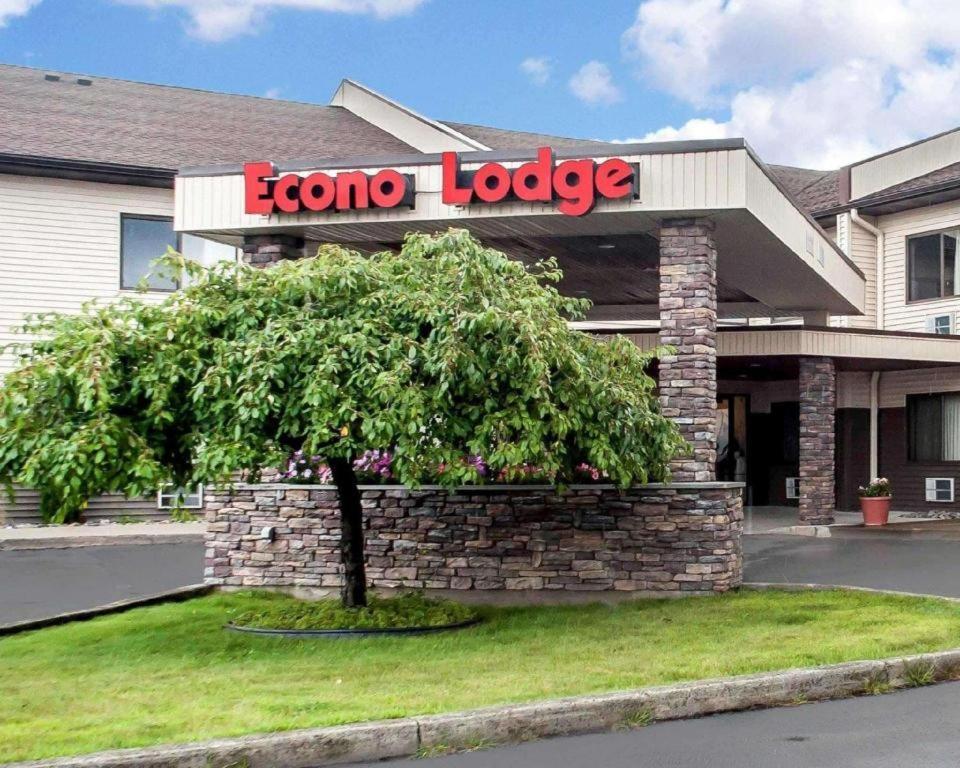
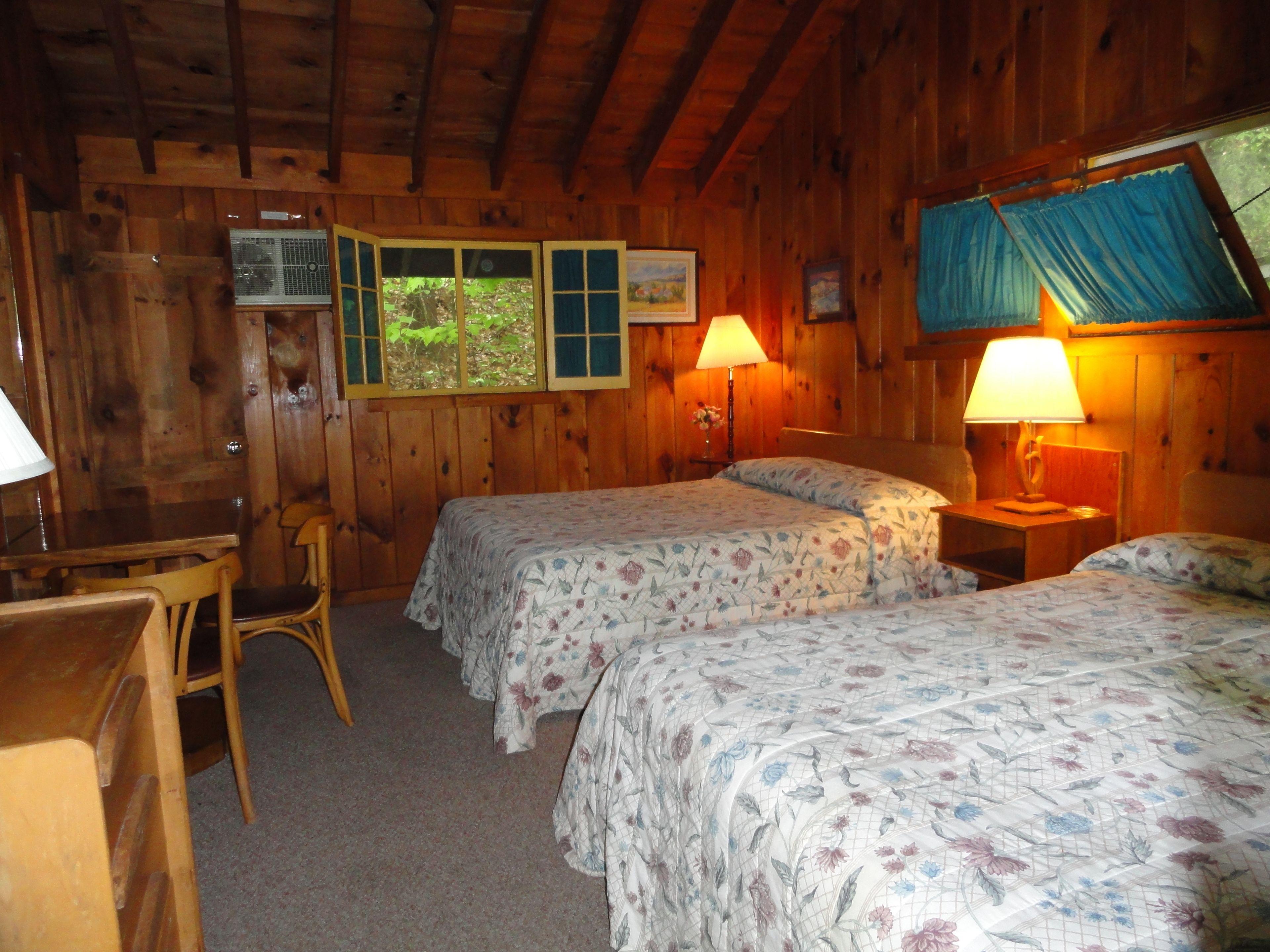
In the Glen Canyon corridor, 2-star hotels are not a compromise - they are the dominant and often the most practical accommodation category. Unlike in major cities where budget hotels may mean noise and thin walls, here they typically mean motel-style ground-floor rooms with direct parking access, which is genuinely useful when you're loading hiking gear, kayak equipment, or road-trip supplies. Rates at 2-star properties in this area average around $90 per night during shoulder season, significantly undercutting the few higher-category options available.
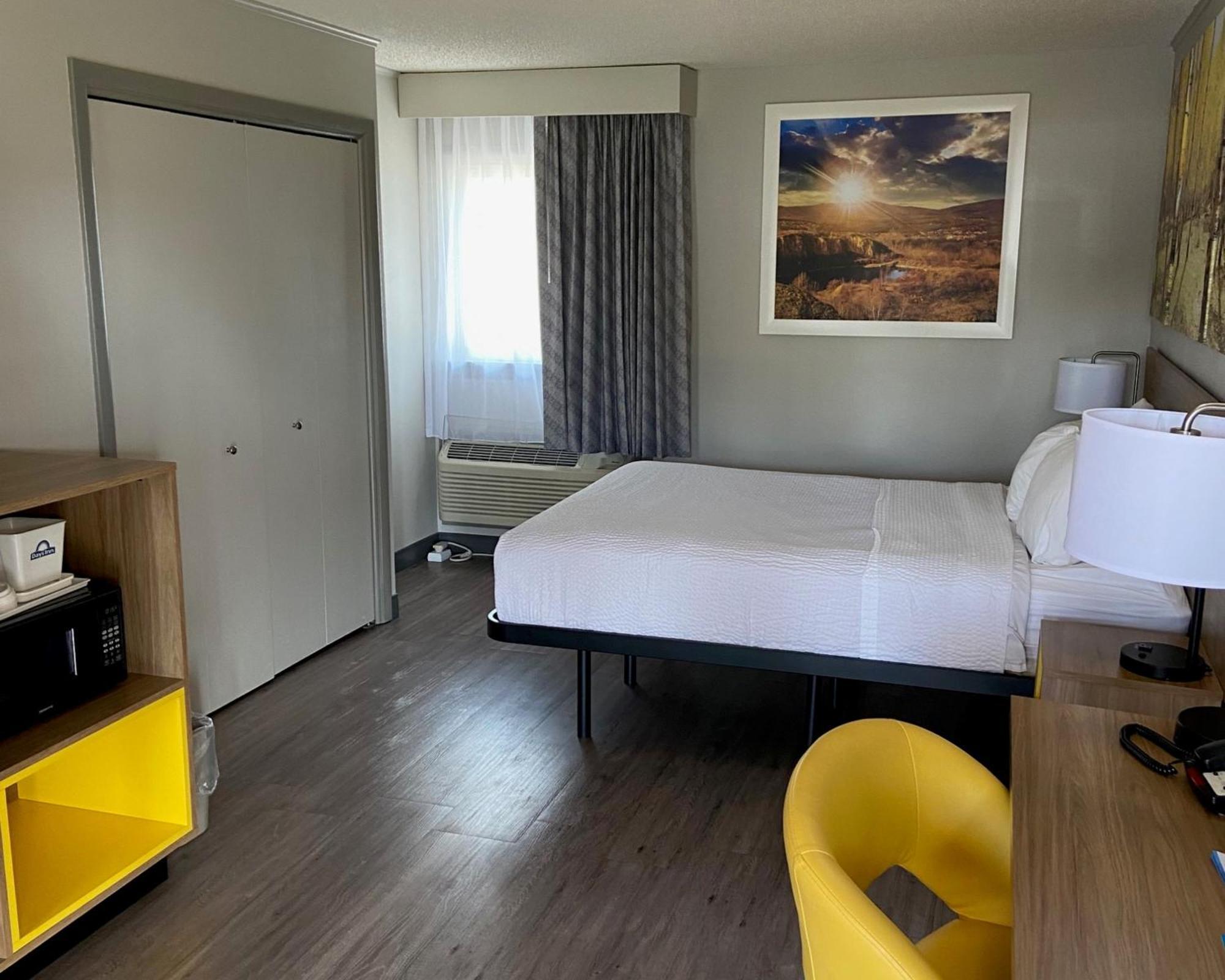
The format suits the itinerary: most guests stay one or two nights per town, moving through the canyon system rather than settling in one base. Room sizes tend to be generous by national standards, with many properties offering microwaves, mini-fridges, and coffee makers - practical features for early-departure hiking days when restaurants aren't yet open. The main trade-off is limited on-site amenities beyond pools and basic breakfast, but for activity-driven travelers, those gaps rarely affect the trip quality.
Pros:
- Motel-style layouts allow direct room-to-car access, which simplifies gear management on outdoor-heavy itineraries
- In-room microwaves and fridges are standard across most properties, reducing meal costs during multi-day trips
- Several properties include free breakfast, meaningfully cutting per-day travel costs in towns with few affordable restaurant options
Cons:
- On-site dining is limited or absent at most 2-star options - evenings require driving to nearby restaurants
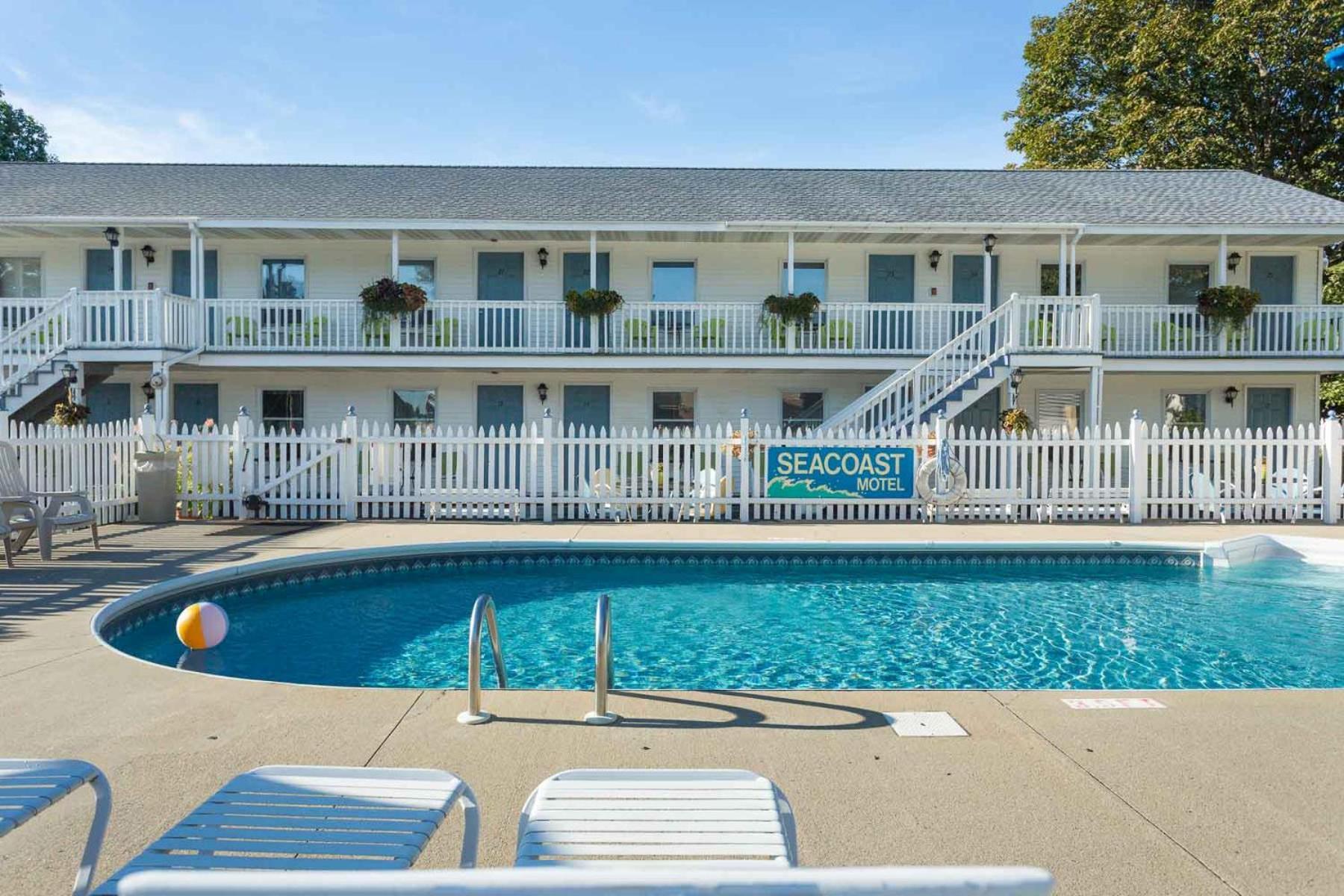
- Pools, where available, are often seasonal and close by late September, limiting their utility for fall travelers
- Business or leisure amenities like spas, fitness centers, or concierge services are not available in this category here
Practical Booking & Area Strategy for Glen Canyon
The three most strategic base towns in the Glen Canyon region are Page, AZ (for Lake Powell, Antelope Canyon, and Rainbow Bridge), Torrey, UT (for Capitol Reef National Park and Boulder Mountain), and Monticello, UT (for Canyonlands, Natural Bridges National Monument, and the Manti-La Sal National Forest). Each serves a different section of the canyon corridor, so your choice of base should follow your activity priorities rather than price alone. Page is the most tourism-developed and has the most dining and tour options; Torrey is quieter with a strong hiking focus; Monticello is the most off-the-beaten-path, with fewer crowds and lower nightly rates.
Book at least 6 weeks in advance for any summer stay in Page or Torrey - lake season fills properties fast, and last-minute availability often means driving an extra 40 miles to the nearest alternative. For Monticello, shoulder season (April-May and September-October) offers the best combination of mild temperatures, manageable crowds, and lower prices. Antelope Canyon tours - one of the most visited slot canyon experiences in the U.S. - sell out weeks ahead in summer and require advance booking independent of your hotel reservation.
Best Value Stays
These properties deliver strong practical utility for the price, with locations and features that align well with active, driving-based Glen Canyon itineraries.
-
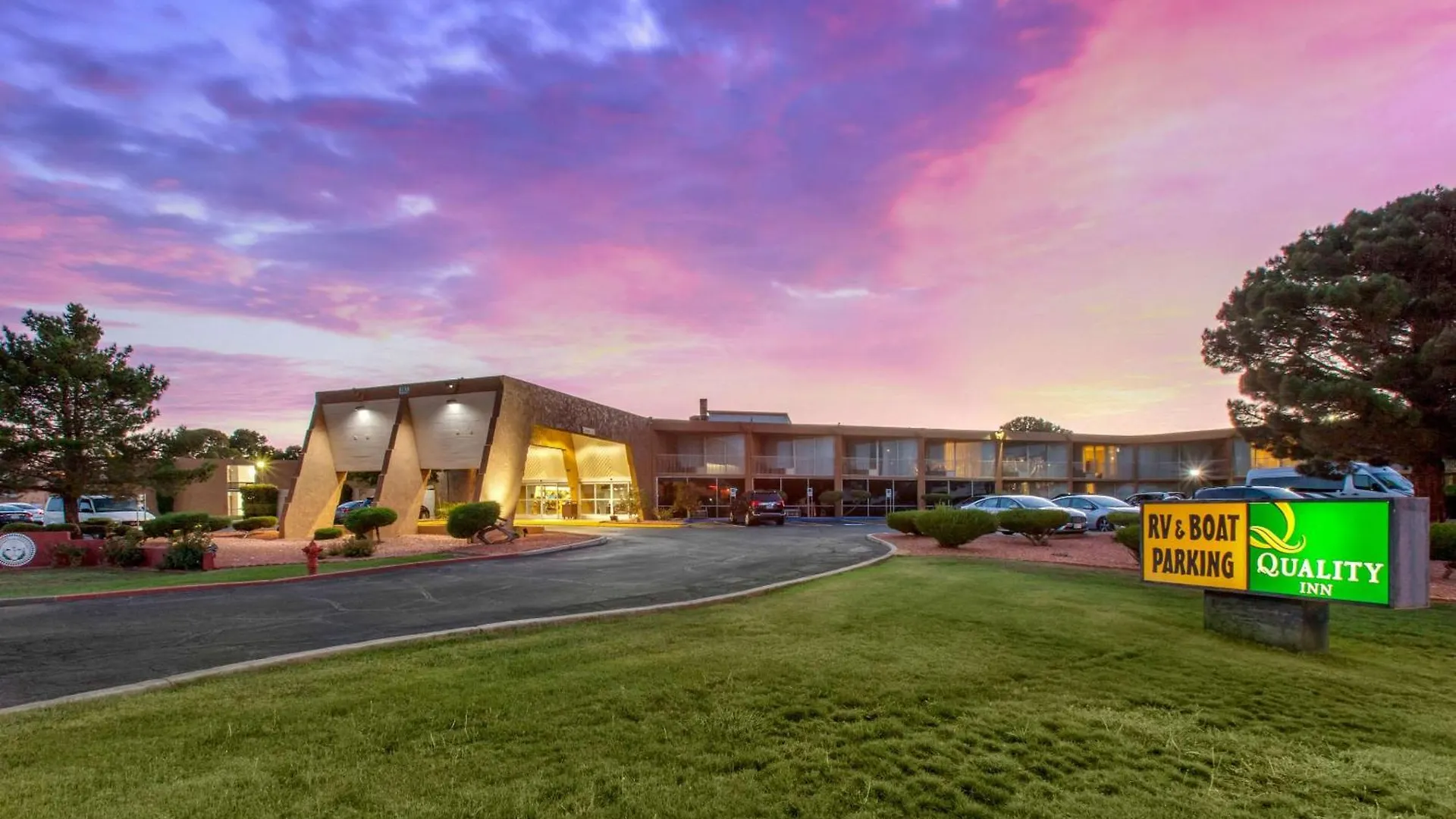
1. Quality Inn View of Lake Powell Page
Show on map


 Check-infrom 15:00 until 23:59Check-outuntil 11:00
Just a few rooms left at the best rate!
fromUS$ 43
-
2. Rodeway Inn & Suites Monticello
Show on map


 Check-infrom 15:00 until 23:59Check-outuntil 11:00
Just a few rooms left at the best rate!
fromUS$ 65
-
3. The Atomic Blue Motor-Inn
Show on map


 Check-infrom 15:00 until 22:00Check-outuntil 11:00
Hurry – almost gone at this price!
fromUS$ 40
-
4. Canyonlands Motor Inn
Show on map


 Check-infrom 15:00 until 23:00Check-outuntil 11:00
Hurry – almost gone at this price!
fromUS$ 45
Best Premium Budget Options
These two properties offer additional amenities - indoor pools, on-site dining, or more scenic settings - that justify a modest price premium within the 2-star category.
-
5. Days Inn By Wyndham Capitol Reef
Show on map


 Check-infrom 15:00 until 23:59Check-outuntil 11:00
Rooms filling fast – secure the best rate!
fromUS$ 72
-
6. The Rim Rock Inn
Show on map


 Check-infrom 14:00 until 22:00Check-outuntil 11:00
Rooms filling fast – secure the best rate!
fromUS$ 114
Smart Travel & Timing Advice for Glen Canyon
The optimal window for visiting the Glen Canyon region is late March through May or September through October. During these shoulder months, temperatures are manageable for canyon hiking, lake water levels on Powell are typically higher, and nightly rates at 2-star properties in Page and Torrey can be around 30% lower than peak summer pricing. July and August are the busiest months by a wide margin - Antelope Canyon tours sell out daily, Page hotels run at full capacity, and afternoon thunderstorms are common across the canyon country, occasionally closing trailheads.
For Capitol Reef and Monticello-based stays, early October is particularly strong: fall foliage appears on Boulder Mountain above Torrey, temperatures drop to comfortable hiking range, and crowds thin noticeably after Labor Day. Winter visits to Page remain feasible since Antelope Canyon stays open year-round, but Torrey and Monticello properties sometimes reduce hours or close for maintenance in January and February. A minimum of 2 nights per gateway town is the practical threshold - one night rarely allows enough time to do more than a single attraction before moving on.