Virginia is one of the most historically dense states in the United States, home to Civil War battlefields, colonial-era districts, and landmarks tied directly to the founding of the nation. Choosing the right historical hotel here means staying close to living history - not just visiting it. This guide covers 5 carefully selected hotels across key Virginia cities to help you make a confident, informed booking decision.
What It's Like Staying in Virginia
Virginia operates on a dual rhythm - part Southern hospitality, part active East Coast tourism corridor. Cities like Richmond, Williamsburg, and the Shenandoah Valley draw visitors year-round, but Colonial Williamsburg and Civil War sites create intense seasonal spikes in spring and fall. Road travel is the dominant mode of getting around, as public transit between regions is limited, making a rental car nearly essential outside of Richmond. Travelers who thrive here are those who want layered history within driving distance - those expecting urban walkability or dense public transport may find the pace less convenient.
Pros:
- Unmatched concentration of American colonial, Revolutionary, and Civil War history within a single state
- Free or low-cost access to dozens of national parks, battlefields, and heritage sites across the state
- Hotel options spread across multiple distinct cities, giving travelers flexibility based on their specific historical interests
Cons:
- Car dependency is high - most historical sites outside Richmond require personal or rental transport
- Peak season crowds at Colonial Williamsburg and Busch Gardens area can impact room availability significantly
- Rural lodging options between key cities are limited, especially for travelers needing amenities beyond the basics
Why Choose Historical Hotels in Virginia
Historical hotels in Virginia offer more than themed décor - many are physically located on or adjacent to documented Civil War sites, colonial trade routes, or landmarks of national significance. Staying at a historically positioned property often cuts commute time to major sites by around 30 minutes compared to generic chain hotels on city outskirts. Room sizes in these properties tend to vary: older buildings may offer more compact layouts, while converted estates or conference-center properties deliver significantly more space. The trade-off is that boutique historical properties may lack amenities like large fitness centers or rooftop pools, while larger historical-themed hotels often balance heritage atmosphere with full modern facilities.
Pros:
- Proximity to Civil War sites, colonial landmarks, and heritage districts that other hotel categories don't offer
- Properties often carry genuine historical narrative - some are built on documented battle sites or 19th-century estates
- Strong breakfast offerings are common in this category, with several Virginia properties providing full buffet or American-style morning meals included
Cons:
- Older building structures in some historical properties may mean less soundproofing or limited elevator access
- Rates spike sharply during spring and fall heritage tourism seasons, often by around 40% compared to winter low season
- Not all historical hotels are in walkable zones - some require driving even to reach the nearby landmark they reference
Practical Booking & Area Strategy
Virginia's key historical corridors run roughly from the Northern Neck and Gloucester County coast through the Richmond metro and down to Williamsburg and the Historic Triangle. Richmond is the strongest logistical base, offering airport access via Richmond International Airport, a growing dining scene near Carytown and the Fan District, and proximity to Civil War museums, Monument Avenue, and the Museum of the Confederacy. Williamsburg anchors the colonial tourism circuit - Colonial Williamsburg, Jamestown, and Yorktown are all within a short drive - but the area fills up fast in April through June. Chester and Wytheville serve as strategic stopover points for travelers moving along I-95 or I-81, and both offer easier parking and lower nightly rates than downtown Richmond. Booking at least 6 weeks ahead is recommended for spring and fall travel, especially if targeting Williamsburg-adjacent properties on weekends.
Best Value Historical Stays
These properties offer strong logistical positioning across Virginia's historical corridor, with reliable amenities at accessible price points - well-suited for travelers prioritizing access to multiple sites over a single fixed base.
-
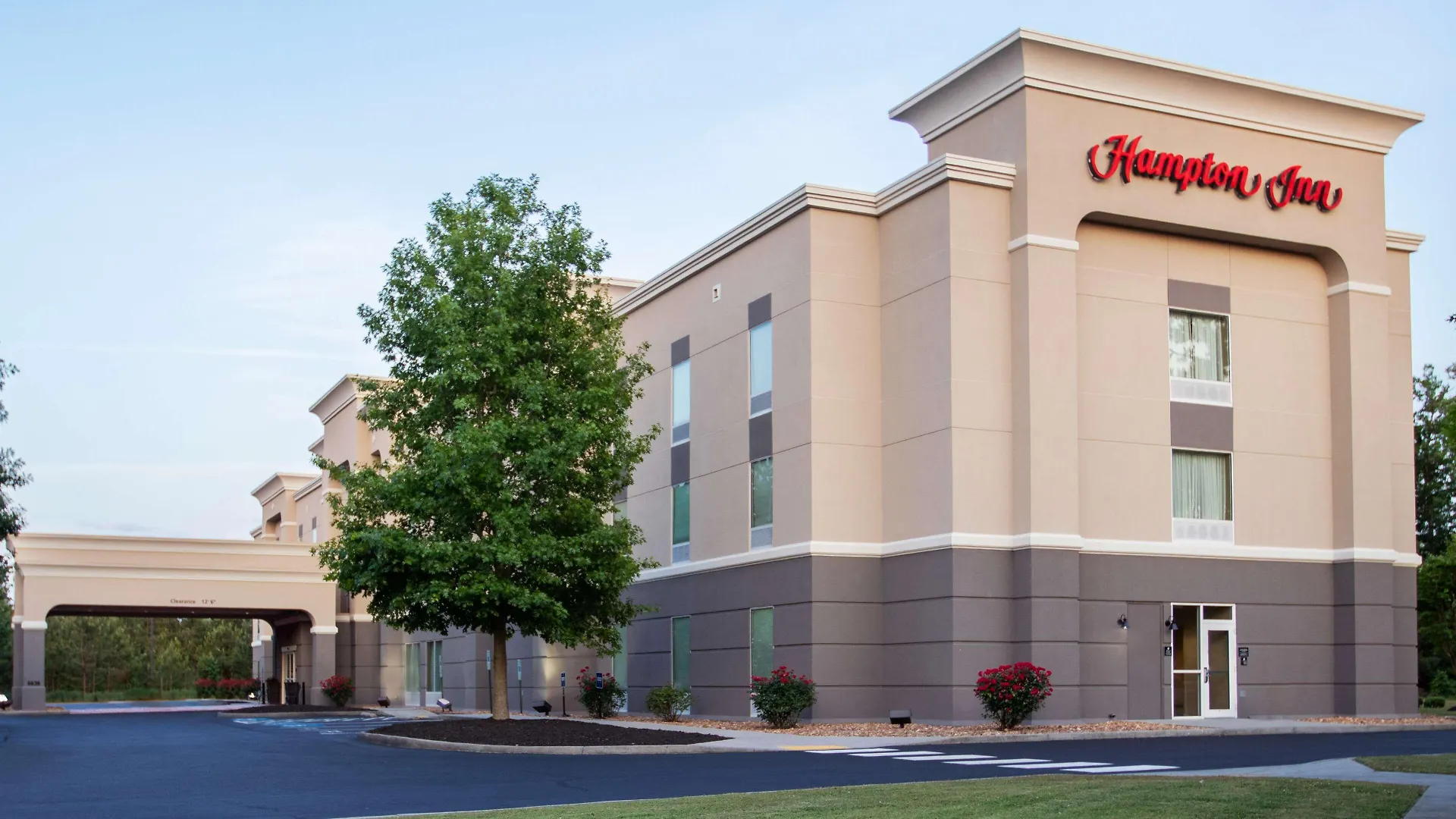
1. Hampton Inn Gloucester
Show on map


 Check-infrom 15:00 until 23:59Check-outuntil 12:00
Just a few rooms left at the best rate!
fromUS$ 89
-
2. Comfort Inn Wytheville - Fort Chiswell
Show on map


 Check-infrom 15:00 until 23:59Check-outuntil 11:00
Just a few rooms left at the best rate!
fromUS$ 81
-
3. Hampton Inn By Hilton Chester South
Show on map


 Check-infrom 15:00 until 23:59Check-outuntil 12:00
Hurry – almost gone at this price!
fromUS$ 101
-
4. Hyatt Select Williamsburg
Show on map


 Check-infrom 15:00 until 23:59Check-outuntil 11:00
Hurry – almost gone at this price!
fromUS$ 64
Best Premium Historical Stay
For travelers who want a property with documented historical significance built into the grounds themselves - not just proximity to a nearby landmark - this full-service hotel delivers a genuinely immersive experience.
-
5. Virginia Crossings Hotel, Tapestry Collection By Hilton
Show on map


 Check-infrom 16:00 until 23:59Check-outuntil 11:00
Rooms filling fast – secure the best rate!
fromUS$ 91
Smart Travel & Timing Advice for Historical Virginia
Virginia's historical tourism peaks sharply in April through June and again in September through October, when school groups, Revolutionary War reenactments, and Civil War anniversary events drive occupancy at Williamsburg and Richmond properties to near-capacity. Spring is the most competitive booking window - Colonial Williamsburg's programming calendar is fullest between March and June, and rates at Historic Area hotels reflect this. Summer months (July-August) are busy but slightly less competitive than spring, with higher temperatures reducing the appeal of outdoor battlefield walking tours. Winter travel - November through February - offers the quietest crowds and the lowest rates, though some smaller historical site programs operate on reduced schedules. For Richmond-based properties, a minimum of 2 nights allows coverage of the American Civil War Museum, the Museum of the Confederacy, and Monument Avenue without feeling rushed. Book at least 6 weeks ahead for any Williamsburg-area stay during spring or fall to avoid rate spikes and limited availability on weekend nights.